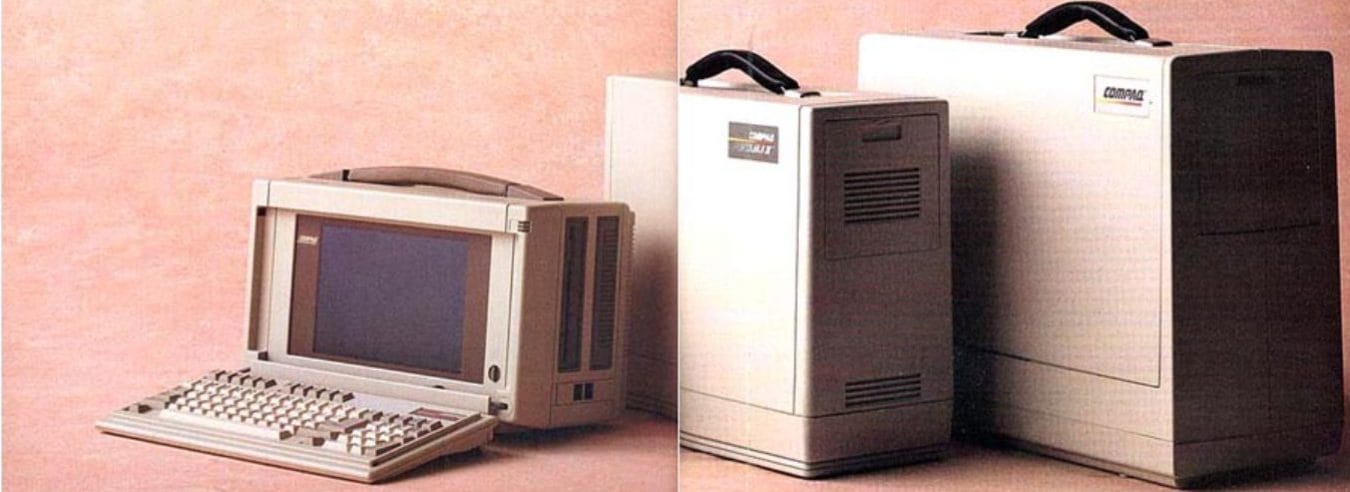

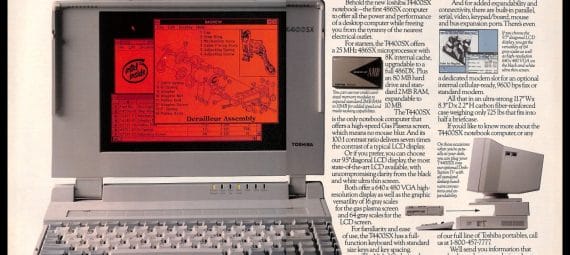
When it comes to battery-powered laptops that utilise a gas-plasma screen, the choices are limited. To the best of my knowledge, there were only two models made, both manufactured by Toshiba. The main reason why battery powered gas plasma laptops were not common was due to the high power consumption requirements of the gas plasma display. The two that we will talk about here are the T4400SX (also known as the T4400SXP, P indicating the plasma variant), and the Toshiba T3100SX (which I would argue is more in the luggable territory, as it weighs 15 Lbs / 6.8 Kg). Both have built in batteries, allowing for true portability, allowing you to take the orange glow on the go.

The T3100SX was released in 1989 – in keeping with Toshiba’s rugged luggable design & chunky laptop form factor from earlier luggables models like the T3100 (1986) and T3200 (1987), the T3100SX weighed in at 15 lb (6.8 kg) and featured two large removable NiCD batteries. These large batteries allowed Toshiba to make the jump from AC powered plasma luggables to a truly portable battery powered device. Battery life, however, was relatively short at about 1 hour per pack (with all power saving functions turned off), but still with two cells (and the option to carry more) one could use the T3100SX for a full day in the field and not be tethered to an AC outlet. In 1989, this was cutting edge tech; a battery-powered luggable computer, with a crisp, clear, plasma display that was just about light enough to be used in your lap.
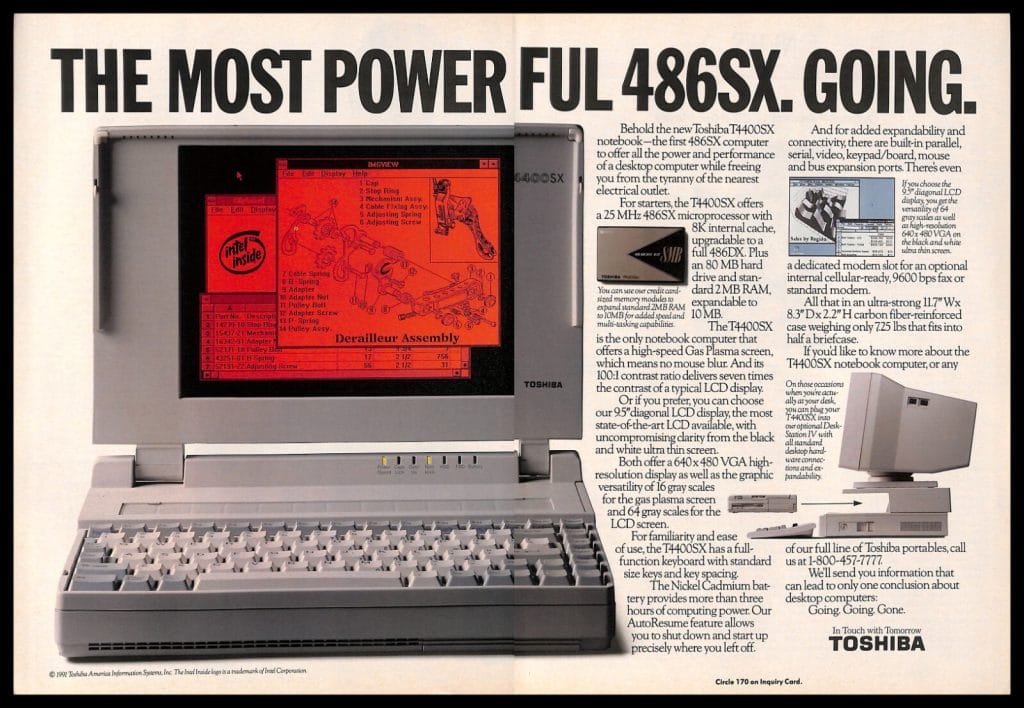
Fast forward just a few years later to 1992 and you can clearly see the concerted efforts of laptop manufacturers to miniaturise components bear fruit and was being done so at remarkable pace. The T4400SX has a thinner gas panel display, as well as a much smaller hard disk and floppy disk drive. These components did not only get smaller, but they were also simultaneously optimised for reduced power consumption. The result is that the T4400SX is less than half the size and weight of the T3100SX around just 2 years earlier at just 7.2 lb / 3.3 kg, and has twice the battery life. To top it all off the T4400SX had almost 7x more computing power in terms of MIPS with its 486SX CPU compared to the 386SX CPU on the T3100SX – and the CPU of the T4400SX was socketed, which means you could pop in any 5V 486 CPU such as the 486 DX, DX2 etc., to get even more computing power.
In terms of price, these two laptops were pretty much identical, with the T3100SX cost $5999 when launched in 1989, and the T4400SX launch price was $5899 in 1991. The most notable difference is that the T4400SX was maybe 5x more powerful in terms of processing power (maybe 10x if using a 5×86 drop in upgrade CPU), and weighed half as much as the T3100SX. This really shows quick technology was advancing in the late 80s and early 90s – your state of the art luggable laptop from 1989 was all but obsolete in just two years! I personally wasn’t quite an adult yet at during this time period, but now I can relate to why my parents were always complaining that they had to throw out our expensive PC every few years. Technology was just moving so fast!
Here are their specifications:
T3100SX
- Dimensions 360 x 310 x 80 mm (W x D x H)
- Weight: 6.8 kg (15 lbs)
- CPU: 386SX, 16 Mhz
- Max RAM: 13MB (proprietary ram modules)
- Battery Tech: Two NI-CD batteries, lasts about 45 minutes each with constant use, no power saving features enabled.
- Display: VGA, 16 colors of grey / orange.
- Video Chipset: Likely a PVGA
- Video RAM: 256Kb
- Ports: Serial, Parallel, Modem & Toshiba Card
- Floppy Disk Drive: Yes
- Expansion: None – No ISA or docking station / port
- Hard Disk: 40 / 80 MB
- Notes: The 16 Mhz Intel 386SX can be de-soldered and upgraded with a 5V tolerant chip such as the TI 486 SXLC2
T4400SX
- Dimensions: W 297 x 210 x 56 mm (W x D x H)
- Weight: 3.3 kg (7.2 lbs)
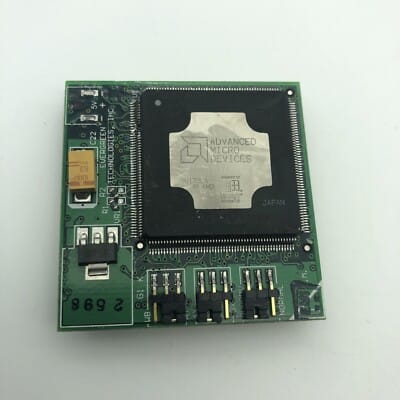
- CPU: Socketed 486, upgradable to AMD 5×86 / Cyrix 5×86.
- Max RAM: 18MB – 2MB onboard, 16MB through credit card style memory.
- Battery Tech: One NI-CD battery, lasts about 1 hour with constant use, highest speed settings, brightness set to max, no power saving features enabled.
- Display: VGA, 640×480 16 colors of grey / orange. Ultra slim, low power consumption model for laptop use, similar to the display in the T6400.
- Video Chipset: Paradise PVGA1F (aka Western Digital WD90C23)
- Video RAM: 256Kb
- Ports: VGA, Parallel, Serial, Mouse PS/2
- Floppy Disk Drive: Yes
- Expansion: Expansion bus for docking to Toshiba Deskstation IV to use ISA cards.
- Hard Disk: No restrictions, will take CF / Disk on Module with most up to date BIOS. Stock is 80MB.
- Notes: Has a non-standard, pre advanced power management ‘resume’ function, only works on MS-DOS, and can be modified to work with Windows 3.1x but will not work with Win 95
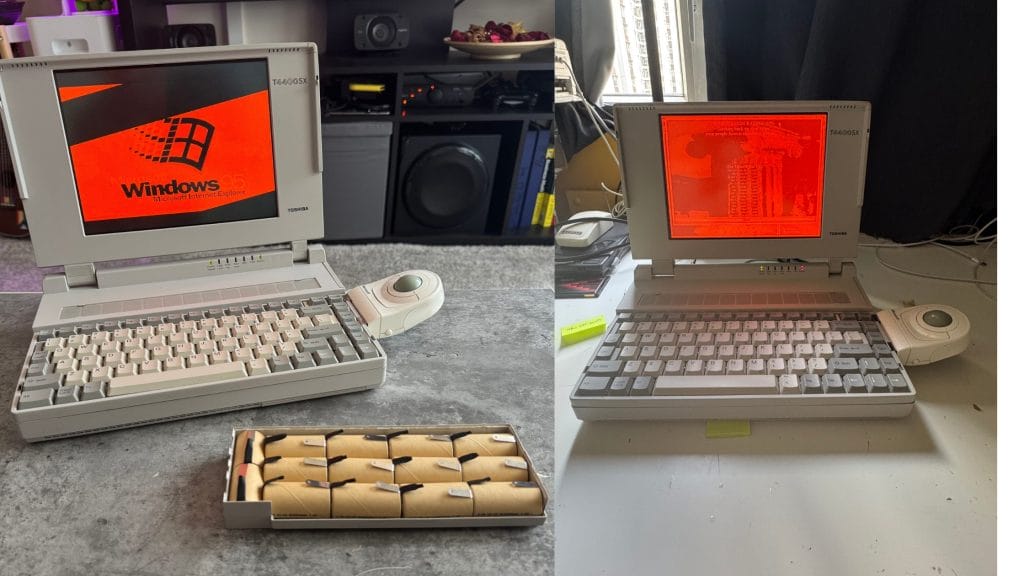
In terms of retro computing – my favourite is definitely the T4400SX hands down. I would say it’s form factor still resembles that of a modern laptop. It can be upgraded to run Windows 95 (and quite snappily too through it’s 486 CPU socket, which will happily accept a low profile 5×86 CPU upgrade), uses credit card style memory cards giving up to 18MB of RAM, and can even be overclocked (more on that in a future post!)
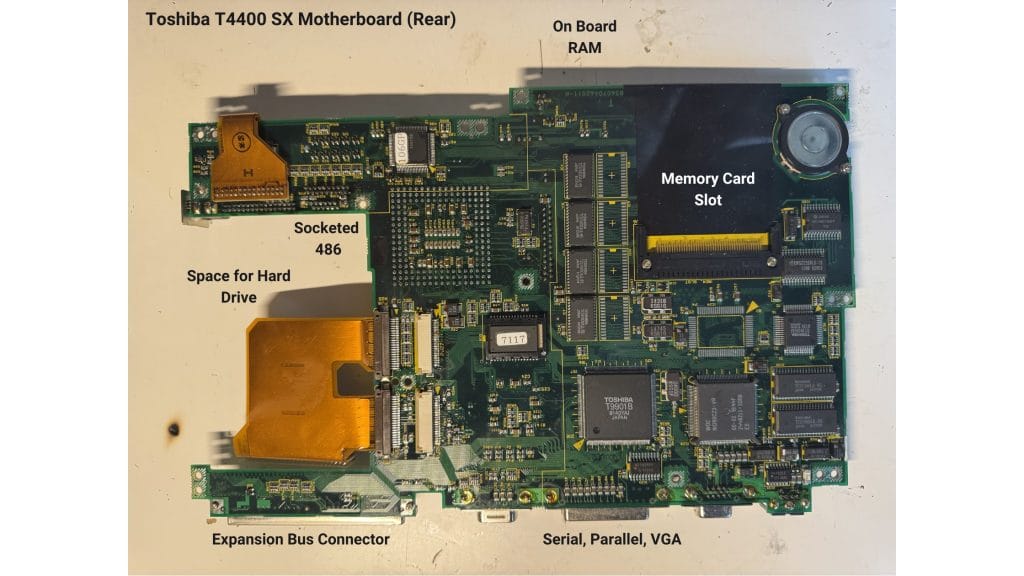
The only thing that holds it back (a tiny bit) is that it’s auto-resume function was never updated to run with Windows 95 and it’s associated version of DOS, which is a shame, though even in DOS 6.22, the auto resume takes a while to load, sometimes longer starting from a cold boot, so it’s not all that useful. Also it’s on board video memory remains at 256K – this is fine for DOS, but in Windows 95 you can ‘trick’ games that need 256 colors to run on a gas plasma display computer if you have 512Kb of video memory – something that I discovered was possible on the Toshiba T6400DX.
I’ll circle back and add more photos here of the mods and upgrades, and some more shots of games 😀
And that’s pretty much it! Did you use either one of these computers back in the day? What kind of work did you do on it? Let us know in the comments!